


Because termite damage often goes unnoticed until it becomes severe, regular inspections and preventative treatments are essential to safeguarding your property. Taking a proactive approach can significantly reduce the risk of costly repairs while maintaining the structural integrity of your home.
Why Are Termite Inspections Important?
A professional termite inspection is designed to detect any signs of termite activity or damage early, even in hidden or hard-to-reach areas. This involves checking foundations, walls, crawl spaces, attics, and other vulnerable parts of your home.
Here’s why inspections are critical:
– Early Detection: Spotting termites before they cause major structural damage can save you thousands in repair costs.
– Identification of Problem Areas: Inspections help pinpoint areas where termites commonly enter your home, such as cracks in foundations or gaps around pipes.
– Peace of Mind: Knowing your home has been professionally inspected allows you to focus on prevention without worrying about unseen infestations.
Benefits of Preventative Treatments
Preventative termite treatments act as a barrier to keep termites from entering your home in the first place. Modern technology has allowed for more effective and less invasive options compared to older methods like chemical sprays.
- Cost Savings: Investing in prevention is far less expensive than dealing with an infestation after it occurs.
- Long-Term Protection: Treatments like baiting systems or soil-applied termiticides create a lasting shield around your property.
- Environmentally Friendly Options: Many modern treatments use environmentally safe methods that minimize harm to non-target species while effectively controlling termites.
Key Areas Where Termites Target Homes
Termites typically target specific areas within homes that provide easy access to wood or moisture sources.
| Area | Vulnerability |
| Foundation | Cracks or gaps allow entry points for subterranean termites |
| Wooden Structures | Beams, joists, and framing often serve as food sources for drywood termites |
| Crawl Spaces | Excess moisture increases susceptibility to infestation |
| Exterior Sources | Firewood piles, tree stumps, and fences close to the house attract termites |
Maintaining Protection Over Time
Even after an initial inspection and preventative treatment, ongoing maintenance is vital. Scheduling annual inspections ensures that new entry points or infestations are addressed promptly. Additionally, homeowners should take steps such as reducing excess moisture around their homes by fixing leaks and ensuring proper drainage.
By prioritizing regular termite inspections paired with preventative treatments, you not only protect the value of your property but also safeguard it from long-term structural issues caused by these silent invaders.
Understanding Miami Termite Control: What Happens During a Professional Termite Inspection and Why It Is Essential
A professional termite inspection is a critical step in safeguarding your home against the destructive impact of termites. These inspections are designed to identify signs of termite activity, assess potential vulnerabilities in your property, and recommend appropriate preventative or remedial measures. Here’s an overview of what happens during a professional termite inspection and why it’s an essential part of home maintenance.
Effective Miami Pest Control: Steps for a Professional Termite Inspection
- Initial Consultation
The process begins with a discussion between the homeowner and the termite inspector. Homeowners may share any concerns about potential issues they’ve observed, such as damaged wood, swarms, or mud tubes.- Foundation walls for mud tubes or cracks that can serve as entry points.
- Areas with excess moisture, such as gutters or pooling water near the foundation, which attract termites.
- Wooden structures like decks or fences for signs of wear or infestation.
- Interior Inspection
Inside the home, the inspector will look for: - Hollow-sounding wood (indicating internal damage).
- Small holes in drywall or plasterboard created by termites exiting their tunnels.
- Presence of discarded wings near windowsills or light fixtures (evidence of swarmers).
- Mud tubes on walls, ceilings, or other surfaces that termites use to travel.
- Use of Specialized Tools
Professionals often use advanced tools to detect hidden infestations: - Moisture meters to measure dampness in walls and floors where termites thrive.
- Thermal imaging cameras to identify temperature differences caused by termite activity inside walls.
- Assessment and Documentation
After completing their evaluation, inspectors provide a detailed report outlining: - Areas where active infestations were found (if any).
- Conditions conducive to termite activity (e. g. , leaks, debris buildup near home foundations).
- Recommendations for treatment options and preventative measures moving forward.
Why Hiring an Exterminator Miami, FL is Essential for Professional Inspections
- Early Detection Saves Money: Termites can cause significant structural damage over time if left untreated. Identifying problems early reduces repair costs.
- Protecting Structural Integrity: Routine inspections ensure that key areas like wooden framing and support beams remain intact.
- Preventative Approach Reduces Risk: Inspections provide insights into conditions that might attract termites so you can address them proactively.
- Customized Solutions from Experts: A professional brings expertise that DIY methods lack, offering tailored approaches based on specific findings.
Comparison Table: DIY Checks vs Professional Inspections for Termite Removal Miami
| Aspect | DIY Checks | Professional Inspections |
| Tools Used | Visual observation | Advanced tools (moisture meters, thermal cameras) |
| Accuracy | Limited | High |
| Potential to Miss Issues | High | Low |
| Recommendations Provided | Generalized suggestions | Detailed analysis with solutions |
Regular inspections ensure peace of mind by reducing risks associated with costly termite damage while maintaining your property’s value over time.
Early Warning Signs Your Home May Have a Termite Infestation
Identifying termites early is critical in preventing severe structural damage to your home. Termites can remain hidden for extended periods, silently causing destruction to wood and other cellulose-based materials. Recognizing early warning signs of an infestation can save you time, money, and stress. Below are the primary indicators that termites may have invaded your property.
Termites swarm to reproduce and establish new colonies, especially during warmer months. After finding a suitable location, they shed their wings. If you notice small piles of discarded wings near doors, windowsills, or light fixtures, this could indicate the presence of termite swarmers.
Subterranean termites create mud tubes as protective tunnels between their colony and food sources. These pencil-thin tubes are often found on walls, foundation slabs, or crawl spaces. They serve as pathways that protect termites from predators while maintaining the moisture they require to survive.
Termites consume wood from the inside out, often leaving only a thin outer layer intact. Tap on wooden beams, floors, or furniture in your home; if you hear a hollow sound or notice unexpected brittleness, it’s a strong indicator that termites may be feeding within the structure.
Drywood termites leave behind droppings called frass that resemble small piles of sawdust or wood pellets. You might find these near wooden structures or furniture infested by termites.
As termites feed on wood around window frames and doors, they can cause the structures to warp due to excess moisture from their activity. This warping may make windows hard to open or close properly.
Common Signs at a Glance
| Warning Sign | Description |
| Discarded Wings | Piles of transparent wings left by termite swarmers near entry points |
| Mud Tubes | Earthy tunnels found along walls or foundations |
| Hollow Wood | Wood that sounds empty when tapped |
| Frass | Small piles of droppings resembling sawdust |
| Difficult-to-Operate Fixtures | Warped frames causing doors and windows to fit poorly |
What To Do If You Suspect Termites
- Contact a professional pest control service:A trained technician can confirm whether there is an active infestation.
- Limit moisture sources:Repair leaks in plumbing and address water pooling near the foundation.
- Avoid DIY treatments:Over-the-counter solutions may not be sufficient for long-term management and could make the problem worse.
- Schedule regular inspections:Yearly termite inspections can help catch infestations early before significant damage occurs.
By staying vigilant for these signs and acting promptly when they appear, homeowners can effectively mitigate potential termite damage and protect their property’s value over time.
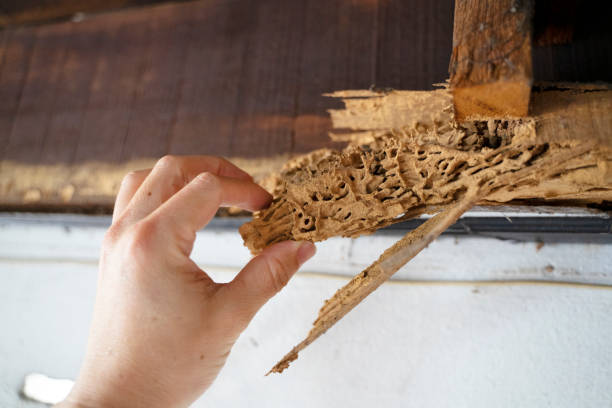
Recognizing the Hidden Costs of Ignoring Termite Control in Your Home
Termites may be small, but their impact on your home and finances can be monumental if left unchecked. Homeowners often underestimate the hidden costs associated with ignoring termite control, which can lead to structural damage, declining property value, and unexpected financial strain. Addressing termite issues proactively is essential to mitigate these risks.
Structural Damage and Repair Costs
One of the most significant hidden costs of ignoring termite control is structural damage to your home. As termites feed on wood and other cellulose-based materials, their activity can weaken the very foundation of a building.
- Compromised support beams: Weak beams may increase the likelihood of collapses.
- Damaged walls and ceilings: Hollowed-out wooden structures result in sagging or cracking surfaces.
- Flooring issues: Termites often target floor joists, creating weak spots or uneven flooring.
Repairing these damages is costly.
| Type of Damage | Average Repair Cost (USD) |
| Replacing support beams | $1,500 – $5,000 |
| Wall/ceiling repairs | $2,000 – $4,000 |
| Flooring replacement | $1,500 – $3,500 |
Declining Property Value
Ignoring termite infestations not only harms your home’s structure but also affects its market value. Potential buyers often demand thorough inspections before purchasing a property.
- Buyers may lose interest entirely.
- Offers for the home could be significantly lower than expected.
- Sellers may have to shoulder high repair costs before closing a sale.
A termite-infested home typically loses up to 25% of its market value depending on the extent of infestation and repairs needed.
Increased Insurance Premiums
Most standard homeowner insurance policies do not cover termite damage as it is considered preventable through regular maintenance. This means any repair or treatment costs fall squarely on the homeowner’s shoulders—further stressing financial resources.
Additionally, repeated claims for related damages (e. g. , water leaks caused by weakened wood) could result in higher insurance premiums over time.
Health Risks and Personal Costs
- Mold growth: Damaged wood harboring moisture becomes a breeding ground for mold spores.
- Stress: The emotional toll from dealing with unexpected repairs and financial burdens cannot be understated.
Addressing these potential personal costs early through professional pest control services ensures peace of mind for homeowners.
Proactive Steps to Avoid Hidden Costs
- Schedule regular termite inspections (preferably annually).
- Invest in preventative treatments like baiting systems or barrier methods.
- Maintain proper ventilation and reduce moisture levels around your home since damp environments attract termites.
- Fix cracks in foundations or walls that could serve as entry points for termites.
Taking action today minimizes future risks while safeguarding both your wallet and your biggest investment—your home.
How Do Professional Pest Control Services Work to Eradicate Termites Effectively
Termites are highly destructive pests that can compromise the structural integrity of a home if left untreated. Professional pest control services employ a range of strategies and techniques to effectively eliminate termite infestations while preventing their recurrence. Below is an overview of how these services operate, ensuring comprehensive termite control.
Initial Inspection and Assessment
The first step in termite eradication is a thorough inspection of the property. Pest control professionals use specialized tools and techniques to identify the extent of the infestation and locate termite colonies.
- Examine wooden structures for signs of damage, such as hollow sounds or visible tunnels.
- Search for mud tubes on walls, floors, or foundations, which termites use for travel and moisture retention.
- Use moisture meters or infrared cameras to detect areas where termites might be thriving.
- Identify the specific type of termite (e. g. , subterranean, drywood), which helps in determining the most effective treatment strategy.
Customized Treatment Plans
- Type of Termite– Different species require distinct approaches; subterranean termites may require soil treatments, while fumigation may be necessary for drywood termites.
- Extent of Infestation– Severe infestations may call for more aggressive methods like tenting or bait stations versus localized treatments for smaller problems.
- Property Characteristics– Factors like building material, location, and moisture levels influence the choice of treatment.
Methods Used by Professionals
- These are applied in trenches around a home’s foundation to create a protective barrier.
- The chemicals either repel termites or kill them upon contact.
- Bait stations are strategically placed around the property.
- Termites consume bait laced with slow-acting insecticides and transfer it back to their colony, eradicating it over time.
- This is often used for drywood termites when infestations are widespread within wooden structures.
- The home is sealed off before gas fumigants are introduced to kill termites at all stages of their lifecycle.
- Borate sprays can be applied directly to wood surfaces as a preventive measure against future infestations.
- Heat Treatments (Non-Chemical):
- In some cases, professional services use heat chambers or apply heat directly to infested areas to eliminate termites without chemicals.
| Treatment Method | Best For | Key Advantage | Limitation |
| Liquid Termiticides | Subterranean termites | Creates long-lasting barrier | Requires trenching around foundation |
| Baiting Systems | Subterranean & localized infestations | Targets entire colonies | Slower results |
| Fumigation | Widespread drywood infestations | Kills all stages | Requires homeowner evacuation |
| Wood Treatments | Preventative measures | Protects treated wood | Limited coverage area |
| Heat Treatments | Small-scale infestations | Chemical-free solution | Not effective for large colonies |
Monitoring and Follow-Up
Effective termite control does not end with initial treatment.
- They inspect bait stations periodically if these systems were installed.
- Additional treatments may be applied if new signs of activity are detected.
- Homeowners receive recommendations for preventive measures such as reducing moisture levels and sealing entry points.
By combining advanced tools with expertise in termite behavior, professional pest control services provide a reliable approach to safeguarding homes from these destructive pests over the long term.
The Benefits of Sentricon Systems for Long-Term Termite Protection
Termites cause billions of dollars in property damage each year, making long-term termite protection a key consideration for homeowners. Among the available solutions, Sentricon systems stand out as an effective and environmentally friendly option for combating these pests. This section explores the benefits of using Sentricon systems for long-term termite prevention and control.
How Sentricon Systems Work
Sentricon is a baiting system designed to eliminate entire termite colonies at their source. Unlike traditional chemical treatments, which create a barrier around your home, Sentricon targets termites actively seeking food.
- Detection Stations Installed: Bait stations are strategically placed around your property.
- Attractive Bait: The stations contain an enticing bait made from cellulose (a primary food source for termites) combined with a slow-acting insect growth regulator.
- Colony Elimination: Foraging termites consume the bait and carry it back to their colony, spreading it among others.
- Preventative Protection: Once the colony is eliminated, the system continues to monitor and protect your home from future infestations.
Key Benefits of Sentricon Systems
- Environmentally Friendly
Unlike liquid termiticides that may involve extensive chemical application to soil, Sentricon uses targeted baiting with minimal pesticide content. The active ingredient disrupts termite growth without affecting non-target organisms or contaminating groundwater. - Non-Invasive Installation
Traditional methods often require drilling into foundations or landscaping disruption to apply liquid barriers. In contrast, Sentricon stations are installed discreetly in the ground without any invasive procedures. - Proven Effectiveness
Numerous case studies have demonstrated that Sentricon systems effectively eradicate entire colonies, including Formosan termites—one of the most destructive species. - Continuous Monitoring and Maintenance
Homeowners benefit from ongoing protection as pest control professionals routinely inspect and replenish bait stations as needed. This ensures that any new colonies are identified and addressed before they become problematic.
Comparing Sentricon to Traditional Termite Treatments
| Feature | Sentricon Systems | Liquid Termiticides |
| Installation Process | Non-invasive ground installation | May require drilling/digging |
| Environmental Impact | Minimal | Higher risk of soil contamination |
| Target Specificity | Focuses on termites only | Broad-spectrum chemical use |
| Long-Term Effectiveness | Monitored regularly by professionals | Requires reapplication over time |
Ideal Scenarios for Using Sentricon
While effective in most situations, certain use cases make Sentricon particularly advantageous: – Homes near wooded areas where termite activity is high. – Properties with existing landscaping that homeowners wish to preserve during treatment. – Situations where long-term monitoring is preferred over one-time treatments.
By opting for a proactive solution like Sentricon systems, homeowners gain peace of mind knowing their property is protected against costly termite damage while minimizing environmental impact. Regular monitoring ensures early detection and prevention of new infestations—making it an ideal choice for sustainable pest management strategies.
- Effective Termite Treatment Miami: Protect Your Home with Regular Inspections
- Effective Termite Treatment Miami: Protecting Your Home with Inspections and Prevention
- Comprehensive Guide to Miami Termite Control and Inspection Services
- Effective Miami Termite Control Through Comprehensive Inspections
- Effective Miami Termite Control and Its Role in Comprehensive Pest Management
- Essential Insights on Miami Termite Control and Why Inspections Matter