


Termites are among the most destructive pests that can infest a property, causing billions of dollars in damages annually. Regular professional termite inspections play a crucial role in identifying and mitigating potential infestations before they escalate. Here’s what you can expect during a professional termite inspection process.
Effective Termite Treatment Miami: Understanding the Importance of Inspections
A termite inspection evaluates your property for any signs of termite activity or damage. It also assesses conditions that could make your home vulnerable to future infestations. These inspections are essential for homeowners, businesses, and even during real estate transactions to ensure properties remain structurally sound.
Essential Steps in a Miami Pest Control Termite Inspection
- The inspector begins by discussing any concerns you may have noticed, such as unusual wood damage or visible mud tubes.
- Information about the age and type of construction (e. g. , slab foundation or crawlspace) will also be collected to tailor the inspection process effectively.
- The inspector examines the exterior of your property for signs of termites:
- Cracks in the foundation.
- Mud tubes along walls or on the ground.
- Wood-to-soil contact areas that increase risk.
- They’ll also evaluate landscaping features like mulch beds and wooden structures near your home, as these can attract termites.
- Inside the property, key areas such as basements, attics, crawlspaces, and wooden fixtures are closely inspected.
- Hollow-sounding wood when tapped.
- Small piles of frass (termite droppings).
- Windows or doors that have become harder to open due to warping caused by moisture from termites.
- Use of Specialized Tools
Modern termite inspectors employ advanced tools and techniques to detect hidden activity: - Moisture meters:To identify damp areas where termites thrive.
- Infrared cameras:For spotting heat signatures caused by active colonies behind walls.
- Probing tools:To gently test wood for structural weakness without causing unnecessary damage.
Detailed Post-Inspection Report by Exterminator Miami, FL
| Section | Details |
| Areas Inspected | Locations examined throughout both interior and exterior spaces |
| Signs Found | Evidence such as mud tubes, frass deposits, damaged wood |
| Risk Factors | Conditions like excessive moisture or wood-to-soil contact |
| Treatment Plan | Suggestions for eradication (if termites are present) |
| Preventive Measures | Steps to reduce future risks such as sealing cracks or fixing leaks |
Effective Termite Removal Miami: Benefits of Professional Inspections
- Early detection prevents costly repairs by addressing issues before severe structural damage occurs.
- Experienced inspectors understand subtle signs often missed by untrained individuals.
- Inspections provide peace of mind during major financial decisions like buying or selling a home.
Investing in consistent termite inspections ensures that your property remains protected from these silent destroyers while helping avoid unexpected expenses related to infestation-related damage. Regular collaboration with licensed pest control professionals is key to maintaining long-term safety and value for your home or business.
How to Prevent Termites from Invading Your Home and Causing Damage
Termites can wreak significant havoc on your property if left unchecked. Proactively preventing them from invading your home is essential to protect your investment and maintain structural integrity. Below are effective strategies to help safeguard your home from termite infestations.
Conducting routine inspections of your property, particularly in areas prone to termite activity, is one of the most effective ways to identify vulnerabilities before termites invade.
- Wooden structures near soil contact.
- Crawl spaces, basements, and attics.
- Cracks and crevices in the foundation.
Hiring a professional inspector annually is also highly recommended for a more thorough examination.
Moisture attracts termites, as they thrive in damp environments.
- Repair leaky pipes, faucets, or drainage systems promptly.
- Ensure gutters and downspouts are clean, directing water away from the foundation.
- Use dehumidifiers or properly ventilate crawlspaces and basements.
| Problem Area | Recommended Action |
| Leaking faucets | Fix immediately |
| Clogged gutters | Clean regularly |
| Poor drainage | Install French drains or regrade soil |
Termites often access homes through direct wood-to-soil contact.
- Keep firewood stored at least 20 feet away from the house.
- Avoid using untreated wood for fences, decks, or garden beds close to the foundation.
- Ensure wooden siding begins at least six inches above ground level.
- Physical Barriers:Stainless steel mesh or sand barriers installed during construction prevent termites from penetrating key areas like foundations.
- Chemical Barriers:Soil treatments with termiticides create a protective barrier that repels or kills termites.
Consult licensed pest control companies for professional installation of these barriers.
- Use caulk to seal cracks in walls or foundations.
- Install screens over vents and openings to prevent termite swarms from entering.
Inspect utility lines (e. g. , plumbing, gas) for gaps where pests could enter and seal them appropriately.
- Pressure-treated wood that resists decay and insect damage.
- Composite wood alternatives such as fiber cement boards.
Additionally, consider pre-treatment of timber with borate solutions during construction for extra protection.
Improper landscaping can inadvertently attract termites closer to a structure.
- Avoid planting trees or shrubs too close to the foundation; keep vegetation trimmed back at least two feet away from structures.
- Ensure mulch is not piled directly against exterior walls; maintain a clearance of several inches between mulch and siding.
By diligently implementing these preventative measures, you’ll significantly reduce the risk of termite invasions while preserving the value and safety of your property.
How to Prevent Termites from Invading Your Home and Causing Damage
Preventing termites from invading your home is essential to avoid costly structural damage and maintain the integrity of your property. By focusing on proactive measures, you can create an environment that is less attractive to these destructive pests. Below are several effective strategies to protect your home from termites.
Termites often access homes by traveling through soil and finding direct contact with wood surfaces.
– Elevate wooden structures such as decks or porches at least 6 inches above ground level.
– Use concrete bases, metal shields, or termite-resistant materials for construction in areas prone to infestation.
– Keep wooden furniture, firewood, or lumber stored away from the ground and at least 20 feet away from your home’s foundation.
Small openings in a building’s foundation can provide easy access for termites.
– Seal gaps around utility pipes, vents, and wiring using caulk or steel mesh.
– Repair cracks in concrete slabs or walls promptly to limit potential entry points.
Termites thrive in environments with high humidity and moisture levels.
– Fix leaking faucets, pipes, and appliances immediately.
– Ensure proper drainage around the foundation by installing gutters and downspouts that channel water away from the building.
– Use dehumidifiers in crawl spaces or basements if necessary.
Landscaping choices can either deter or encourage termite activity near your property:
– Avoid planting trees or shrubs too close to the house since roots can create cracks in foundations over time. – Ensure mulch is applied sparingly and kept at least 12 inches away from structures. – Keep lawn areas well-trimmed to reduce moisture retention near the foundation.
Regular inspections are vital for early detection of termite activity:
– Check wooden structures like beams, furniture, fencing, and sheds for signs of damage such as hollow wood or blistered surfaces. – Look for mud tubes along walls or foundations where subterranean termites may travel. – Examine attics, crawl spaces, and basement corners regularly with a flashlight.
| Key Areas to Inspect | What to Look For | Action Steps |
| Wooden decking & fences | Splintering wood, hollow sound upon tapping | Replace damaged sections; treat exposed areas |
| Basement & crawl spaces | Mud tubes on walls; piles of frass (termite droppings) | Remove debris; consult a pest control expert |
| Attic beams & roof trusses | Blisters on wood surfaces | Apply borate treatment; seal cracks |
If you’re building a new home or renovating an existing one:
– Use naturally termite-resistant hardwoods like cedar or teak. – Consider incorporating steel framing instead of timber where possible. – Treat raw lumber with borate solutions before construction to deter termites long-term.
By implementing these preventive measures consistently, you can significantly reduce the risk of termite infestations while preserving the value of your property over time without incurring excessive costs due to repairs later on.
Termites are among the most destructive pests for homeowners and businesses, causing billions of dollars in damage annually. One of the primary attractants for termites is moisture, making it crucial to address damp areas around your property. Along with reducing moisture, there are several other proactive measures you can take to safeguard your home or business against termite infestations.
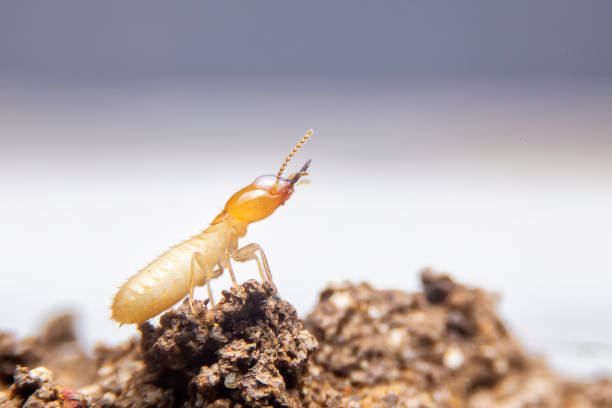
Why Moisture Attracts Termites
Moisture plays a key role in creating an environment conducive to termite survival. Termites require water to thrive, as it helps them maintain their soft exoskeletons and digest cellulose—their primary food source found in wood. Excess moisture can weaken wooden structures, making them more appealing and easier for termites to infest.
Tips to Eliminate Moisture Around Your Property
- Check for leaking pipes, faucets, or roofs that may contribute to excess moisture.
- Repair any plumbing issues promptly.
- Clean gutters regularly to prevent water buildup near foundations.
- Direct downspouts at least 4–6 feet away from your home’s foundation.
- Install a vapor barrier in crawl spaces to minimize humidity levels.
- Use dehumidifiers if necessary in damp basements or crawl spaces.
- Ensure that soil slopes away from your building’s foundation so water does not accumulate near the structure.
- Avoid overwatering plants near your home’s perimeter.
- Remove standing water in items like buckets, planters, or birdbaths.
Additional Tips for Comprehensive Protection
- Use Treated Wood:Opt for pressure-treated wood or naturally termite-resistant materials like cedar when constructing decks or fences.
- Store Firewood Away from the Structure:Keep it elevated and at least 20 feet away from buildings.
- Seal Cracks and Gaps:Inspect your foundation and walls for cracks where termites could enter, sealing them with caulk or another appropriate material.
- Minimize Wood-to-Ground Contact:Decks, fences, and porches should have sufficient clearance between wooden elements and soil.
Quick Reference Table: Common Risk Factors & Solutions
| Risk Factor | Solution |
| Leaking pipes or faucets | Repair leaks immediately |
| Standing water near foundations | Redirect drainage systems |
| High humidity in crawl spaces | Install vapor barriers/dehumidifiers |
| Wooden debris around property | Remove promptly |
Partnering with Professionals
While addressing these issues on your own significantly reduces risk, scheduling routine professional inspections ensures long-term protection. Expert pest control services can identify potential vulnerabilities early on and recommend targeted treatments tailored specifically to your property’s needs.
By focusing efforts on eliminating excess moisture alongside implementing other preventive strategies like sealing gaps and improving drainage systems, homeowners can create an environment that is far less attractive to termites while preserving the structural integrity of their property over time.
Termite Control Services to Protect Your Home or Business from Costly Damage
Professional pest control providers offer a range of termite management solutions tailored to different situations.
- Inspection and Assessment
Experts will examine your property for signs of infestations, such as damaged wood, mud tubes, or frass (termite droppings). They may also use specialized equipment like moisture meters or infrared cameras to detect hidden activity. - Liquid Treatment
These treatments can be either repellent or non-repellent, depending on the product used. - Baiting Systems
Bait stations are strategically placed around your property to attract termites. - Fumigation
For severe infestations, fumigation may be necessary. This process involves sealing off the structure and introducing a gas that kills termites throughout the building. It is typically used for drywood termites. - Preventative Measures
Many pest control companies provide preventative treatments and strategies to reduce the likelihood of future infestations. These might include soil treatments during construction or regular monitoring services.
| Benefit | Description |
| Expertise | Trained technicians understand termite behavior and how to target colonies effectively. |
| Customized Solutions | Treatments are tailored based on the type of termites and level of infestation. |
| Long-Term Protection | Preventative measures ensure ongoing protection against potential threats. |
| Safety | Licensed professionals use approved products that are safe for humans and pets when applied correctly. |
| Cost Savings | Early detection and treatment help avoid costly structural repairs down the line. |
Choosing a Reputable Termite Control Provider
Selecting the right pest control company is critical for effective termite management.
- Licensing and Certification: Ensure that the company holds proper licenses and certifications in pest management.
- Experience: Look for providers with extensive experience in handling various types of termite infestations.
- Guarantee or Warranty: Many companies offer warranties on their services, providing peace of mind if issues reoccur.
- Treatment Plans Offered: Discuss available treatment options and ask about eco-friendly alternatives if preferred.
Ongoing Maintenance After Treatment
- Schedule periodic inspections with your pest control provider.
- Keep woodpiles away from your home’s foundation.
- Address water leaks promptly to reduce moisture levels around your property.
- Maintain proper ventilation in crawl spaces or basements.
By investing in professional termite control services, you can safeguard your home or business from costly damage while ensuring its structural integrity remains intact for years to come.
Understanding the Importance of Professional Termite Inspections for Long-Term Protection
Professional termite inspections play a crucial role in safeguarding your home or business from long-term structural damage. Termites are notoriously difficult to detect until substantial damage has already occurred, making routine inspections a proactive approach to protect your property. This article delves into why professional termite inspections are essential and what benefits they offer over DIY methods.
Why Are Professional Termite Inspections Essential?
- Early Detection of Infestations
Licensed pest control professionals are trained to identify the earliest signs of termite activity, including subtle indicators that may go unnoticed by an untrained eye. Early detection can significantly reduce repair costs and prevent further damage. - Preventive Maintenance
Regular inspections not only identify existing infestations but also assess potential risk factors, such as moisture issues or areas with wood-to-soil contact, that could attract termites in the future. - Accurate Identification
Different species of termites—such as subterranean, drywood, and dampwood termites—require different treatment approaches. Professionals can correctly identify the species present on your property and tailor a treatment plan accordingly. - Comprehensive Solutions
A professional inspection often comes with actionable advice on mitigating risks and detailed recommendations for termite treatments if an infestation is found.
Key Steps in a Professional Termite Inspection
| Step | Description |
| 1 | Exterior Inspection: The inspector examines the foundation, walls, eaves, and other exterior areas for mud tubes, damaged wood, or openings that allow access for termites. |
| 2 | Interior Inspection: Inside the structure, they inspect wooden beams, flooring, baseboards, window frames, and crawl spaces for signs of weakness or visible damage caused by termites. |
| 3 | Moisture Assessment: Areas with high moisture levels are checked since termites are attracted to damp environments. This includes plumbing leaks or poor drainage around the property. |
| 4 | Documentation & Reporting: After completing the inspection, professionals provide a detailed report outlining findings and recommending next steps for treatment or prevention efforts. |
Benefits Over DIY Methods
- Advanced Equipment:Professionals use tools like moisture meters and infrared cameras to detect hidden activity behind walls and under floors.
- Expert Knowledge:Years of training allow inspectors to recognize subtle warning signs that might be missed by non-experts.
- Time-Saving:Inspections conducted by trained professionals are thorough yet efficient.
- Tailored Treatment Plans:Based on inspection results, they design solutions specific to your property needs rather than relying on generalized approaches.
Recommended Frequency for Inspections
- Properties located in regions with high humidity or known termite activity should undergo annual inspections.
- Homes constructed primarily with wood may benefit from biannual checks.
- Businesses dealing with sensitive inventory (e. g. , paper goods) may require quarterly assessments.
Investing in regular professional termite inspections ensures long-term protection of your property while offering peace of mind knowing potential risks are being managed effectively.
- Effective Termite Treatment Miami: Protect Your Home with Regular Inspections
- Effective Termite Treatment Miami: Protecting Your Home with Inspections and Prevention
- Comprehensive Guide to Miami Termite Control and Inspection Services
- Effective Miami Termite Control Through Comprehensive Inspections
- Effective Miami Termite Control and Its Role in Comprehensive Pest Management
- Essential Insights on Miami Termite Control and Why Inspections Matter