Miami FL Termite Control: Top Pest Control Service & Termite Treatment Miami

Miami FL Termite Control: Top Pest Control Service & Termite Treatment Miami

Effective Termite Treatment Miami: Protecting Your Home with Inspections and Prevention

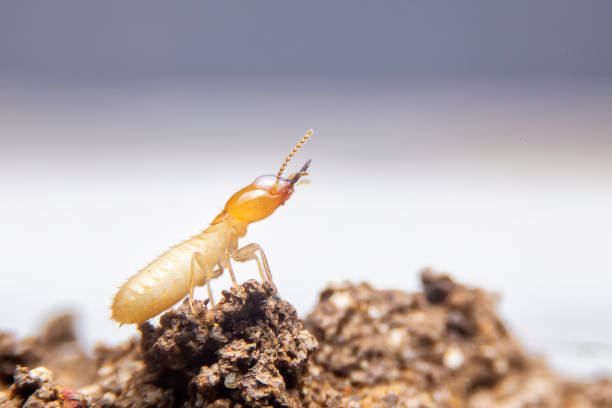
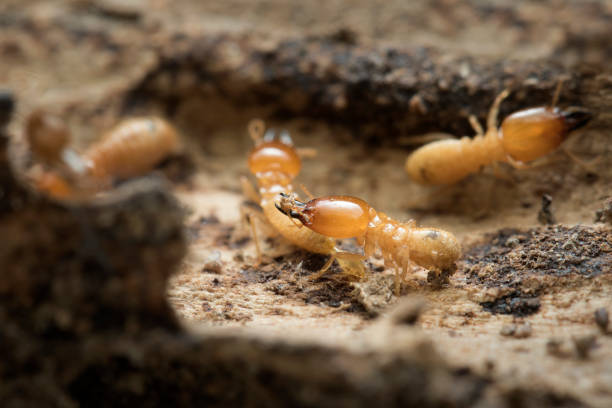
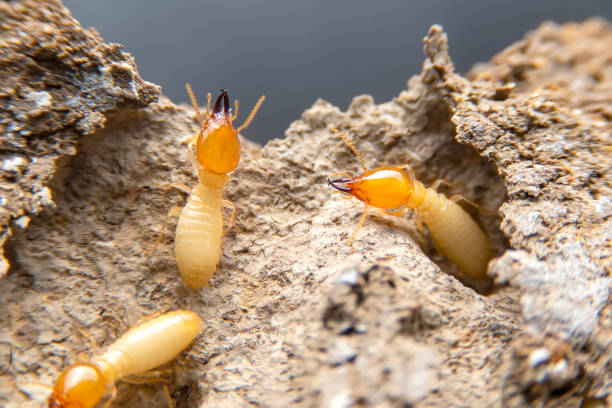
Group of the small termite destroy timber, termites eat wood and destroy buildings Group of the small termite destroy timber, termites eat wood and destroy buildings termite stock pictures, royalty-free photos & images

Because termite damage often goes unnoticed until it becomes severe, regular inspections and preventative treatments are essential to safeguarding your property. Taking a proactive approach can significantly reduce the risk of costly repairs while maintaining the structural integrity of your home.

Why Are Termite Inspections Important?

A professional termite inspection is designed to detect any signs of termite activity or damage early, even in hidden or hard-to-reach areas. This involves checking foundations, walls, crawl spaces, attics, and other vulnerable parts of your home.

Here’s why inspections are critical:
Early Detection: Spotting termites before they cause major structural damage can save you thousands in repair costs.
Identification of Problem Areas: Inspections help pinpoint areas where termites commonly enter your home, such as cracks in foundations or gaps around pipes.
Peace of Mind: Knowing your home has been professionally inspected allows you to focus on prevention without worrying about unseen infestations.

Benefits of Preventative Treatments

Preventative termite treatments act as a barrier to keep termites from entering your home in the first place. Modern technology has allowed for more effective and less invasive options compared to older methods like chemical sprays.

  1. Cost Savings: Investing in prevention is far less expensive than dealing with an infestation after it occurs.
  2. Long-Term Protection: Treatments like baiting systems or soil-applied termiticides create a lasting shield around your property.
  3. Environmentally Friendly Options: Many modern treatments use environmentally safe methods that minimize harm to non-target species while effectively controlling termites.

Key Areas Where Termites Target Homes

Termites typically target specific areas within homes that provide easy access to wood or moisture sources.

Area Vulnerability
Foundation Cracks or gaps allow entry points for subterranean termites
Wooden Structures Beams, joists, and framing often serve as food sources for drywood termites
Crawl Spaces Excess moisture increases susceptibility to infestation
Exterior Sources Firewood piles, tree stumps, and fences close to the house attract termites

Maintaining Protection Over Time

Even after an initial inspection and preventative treatment, ongoing maintenance is vital. Scheduling annual inspections ensures that new entry points or infestations are addressed promptly. Additionally, homeowners should take steps such as reducing excess moisture around their homes by fixing leaks and ensuring proper drainage.

By prioritizing regular termite inspections paired with preventative treatments, you not only protect the value of your property but also safeguard it from long-term structural issues caused by these silent invaders.

Understanding Miami Termite Control: What Happens During a Professional Termite Inspection and Why It Is Essential

A professional termite inspection is a critical step in safeguarding your home against the destructive impact of termites. These inspections are designed to identify signs of termite activity, assess potential vulnerabilities in your property, and recommend appropriate preventative or remedial measures. Here’s an overview of what happens during a professional termite inspection and why it’s an essential part of home maintenance.

Effective Miami Pest Control: Steps for a Professional Termite Inspection

  1. Initial Consultation
    The process begins with a discussion between the homeowner and the termite inspector. Homeowners may share any concerns about potential issues they’ve observed, such as damaged wood, swarms, or mud tubes.

    • Foundation walls for mud tubes or cracks that can serve as entry points.
    • Areas with excess moisture, such as gutters or pooling water near the foundation, which attract termites.
    • Wooden structures like decks or fences for signs of wear or infestation.
  2. Interior Inspection
    Inside the home, the inspector will look for:
  3. Hollow-sounding wood (indicating internal damage).
  4. Small holes in drywall or plasterboard created by termites exiting their tunnels.
  5. Presence of discarded wings near windowsills or light fixtures (evidence of swarmers).
  6. Mud tubes on walls, ceilings, or other surfaces that termites use to travel.
  7. Use of Specialized Tools
    Professionals often use advanced tools to detect hidden infestations:
  8. Moisture meters to measure dampness in walls and floors where termites thrive.
  9. Thermal imaging cameras to identify temperature differences caused by termite activity inside walls.
  10. Assessment and Documentation
    After completing their evaluation, inspectors provide a detailed report outlining:
  11. Areas where active infestations were found (if any).
  12. Conditions conducive to termite activity (e. g. , leaks, debris buildup near home foundations).
  13. Recommendations for treatment options and preventative measures moving forward.

Why Hiring an Exterminator Miami, FL is Essential for Professional Inspections

  • Early Detection Saves Money: Termites can cause significant structural damage over time if left untreated. Identifying problems early reduces repair costs.
  • Protecting Structural Integrity: Routine inspections ensure that key areas like wooden framing and support beams remain intact.
  • Preventative Approach Reduces Risk: Inspections provide insights into conditions that might attract termites so you can address them proactively.
  • Customized Solutions from Experts: A professional brings expertise that DIY methods lack, offering tailored approaches based on specific findings.

Comparison Table: DIY Checks vs Professional Inspections for Termite Removal Miami

Aspect DIY Checks Professional Inspections
Tools Used Visual observation Advanced tools (moisture meters, thermal cameras)
Accuracy Limited High
Potential to Miss Issues High Low
Recommendations Provided Generalized suggestions Detailed analysis with solutions

Regular inspections ensure peace of mind by reducing risks associated with costly termite damage while maintaining your property’s value over time.

Early Warning Signs Your Home May Have a Termite Infestation

Identifying termites early is critical in preventing severe structural damage to your home. Termites can remain hidden for extended periods, silently causing destruction to wood and other cellulose-based materials. Recognizing early warning signs of an infestation can save you time, money, and stress. Below are the primary indicators that termites may have invaded your property.

Termites swarm to reproduce and establish new colonies, especially during warmer months. After finding a suitable location, they shed their wings. If you notice small piles of discarded wings near doors, windowsills, or light fixtures, this could indicate the presence of termite swarmers.

Subterranean termites create mud tubes as protective tunnels between their colony and food sources. These pencil-thin tubes are often found on walls, foundation slabs, or crawl spaces. They serve as pathways that protect termites from predators while maintaining the moisture they require to survive.

Termites consume wood from the inside out, often leaving only a thin outer layer intact. Tap on wooden beams, floors, or furniture in your home; if you hear a hollow sound or notice unexpected brittleness, it’s a strong indicator that termites may be feeding within the structure.

Drywood termites leave behind droppings called frass that resemble small piles of sawdust or wood pellets. You might find these near wooden structures or furniture infested by termites.

As termites feed on wood around window frames and doors, they can cause the structures to warp due to excess moisture from their activity. This warping may make windows hard to open or close properly.

Common Signs at a Glance

Warning Sign Description
Discarded Wings Piles of transparent wings left by termite swarmers near entry points
Mud Tubes Earthy tunnels found along walls or foundations
Hollow Wood Wood that sounds empty when tapped
Frass Small piles of droppings resembling sawdust
Difficult-to-Operate Fixtures Warped frames causing doors and windows to fit poorly

What To Do If You Suspect Termites

  • Contact a professional pest control service:A trained technician can confirm whether there is an active infestation.
  • Limit moisture sources:Repair leaks in plumbing and address water pooling near the foundation.
  • Avoid DIY treatments:Over-the-counter solutions may not be sufficient for long-term management and could make the problem worse.
  • Schedule regular inspections:Yearly termite inspections can help catch infestations early before significant damage occurs.

By staying vigilant for these signs and acting promptly when they appear, homeowners can effectively mitigate potential termite damage and protect their property’s value over time.
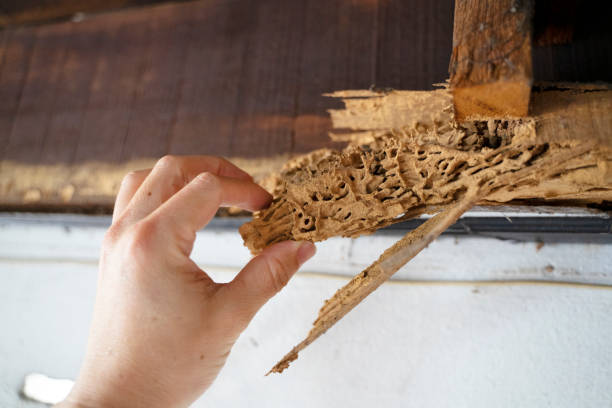
Wood after attack of termite. Wood, part of roof house after attack of termite. Peril from insect concept. termite stock pictures, royalty-free photos & images

Recognizing the Hidden Costs of Ignoring Termite Control in Your Home

Termites may be small, but their impact on your home and finances can be monumental if left unchecked. Homeowners often underestimate the hidden costs associated with ignoring termite control, which can lead to structural damage, declining property value, and unexpected financial strain. Addressing termite issues proactively is essential to mitigate these risks.

Structural Damage and Repair Costs

One of the most significant hidden costs of ignoring termite control is structural damage to your home. As termites feed on wood and other cellulose-based materials, their activity can weaken the very foundation of a building.

  • Compromised support beams: Weak beams may increase the likelihood of collapses.
  • Damaged walls and ceilings: Hollowed-out wooden structures result in sagging or cracking surfaces.
  • Flooring issues: Termites often target floor joists, creating weak spots or uneven flooring.

Repairing these damages is costly.

Type of Damage Average Repair Cost (USD)
Replacing support beams $1,500 – $5,000
Wall/ceiling repairs $2,000 – $4,000
Flooring replacement $1,500 – $3,500

Declining Property Value

Ignoring termite infestations not only harms your home’s structure but also affects its market value. Potential buyers often demand thorough inspections before purchasing a property.

  • Buyers may lose interest entirely.
  • Offers for the home could be significantly lower than expected.
  • Sellers may have to shoulder high repair costs before closing a sale.

A termite-infested home typically loses up to 25% of its market value depending on the extent of infestation and repairs needed.

Increased Insurance Premiums

Most standard homeowner insurance policies do not cover termite damage as it is considered preventable through regular maintenance. This means any repair or treatment costs fall squarely on the homeowner’s shoulders—further stressing financial resources.

Additionally, repeated claims for related damages (e. g. , water leaks caused by weakened wood) could result in higher insurance premiums over time.

Health Risks and Personal Costs

  • Mold growth: Damaged wood harboring moisture becomes a breeding ground for mold spores.
  • Stress: The emotional toll from dealing with unexpected repairs and financial burdens cannot be understated.

Addressing these potential personal costs early through professional pest control services ensures peace of mind for homeowners.

Proactive Steps to Avoid Hidden Costs

  1. Schedule regular termite inspections (preferably annually).
  2. Invest in preventative treatments like baiting systems or barrier methods.
  3. Maintain proper ventilation and reduce moisture levels around your home since damp environments attract termites.
  4. Fix cracks in foundations or walls that could serve as entry points for termites.

Taking action today minimizes future risks while safeguarding both your wallet and your biggest investment—your home.

How Do Professional Pest Control Services Work to Eradicate Termites Effectively

Termites are highly destructive pests that can compromise the structural integrity of a home if left untreated. Professional pest control services employ a range of strategies and techniques to effectively eliminate termite infestations while preventing their recurrence. Below is an overview of how these services operate, ensuring comprehensive termite control.

Initial Inspection and Assessment

The first step in termite eradication is a thorough inspection of the property. Pest control professionals use specialized tools and techniques to identify the extent of the infestation and locate termite colonies.

  • Examine wooden structures for signs of damage, such as hollow sounds or visible tunnels.
  • Search for mud tubes on walls, floors, or foundations, which termites use for travel and moisture retention.
  • Use moisture meters or infrared cameras to detect areas where termites might be thriving.
  • Identify the specific type of termite (e. g. , subterranean, drywood), which helps in determining the most effective treatment strategy.

Customized Treatment Plans

  1. Type of Termite– Different species require distinct approaches; subterranean termites may require soil treatments, while fumigation may be necessary for drywood termites.
  2. Extent of Infestation– Severe infestations may call for more aggressive methods like tenting or bait stations versus localized treatments for smaller problems.
  3. Property Characteristics– Factors like building material, location, and moisture levels influence the choice of treatment.

Methods Used by Professionals

  1. These are applied in trenches around a home’s foundation to create a protective barrier.
  2. The chemicals either repel termites or kill them upon contact.
  3. Bait stations are strategically placed around the property.
  4. Termites consume bait laced with slow-acting insecticides and transfer it back to their colony, eradicating it over time.
  5. This is often used for drywood termites when infestations are widespread within wooden structures.
  6. The home is sealed off before gas fumigants are introduced to kill termites at all stages of their lifecycle.
  7. Borate sprays can be applied directly to wood surfaces as a preventive measure against future infestations.
  8. Heat Treatments (Non-Chemical):
  9. In some cases, professional services use heat chambers or apply heat directly to infested areas to eliminate termites without chemicals.
Treatment Method Best For Key Advantage Limitation
Liquid Termiticides Subterranean termites Creates long-lasting barrier Requires trenching around foundation
Baiting Systems Subterranean & localized infestations Targets entire colonies Slower results
Fumigation Widespread drywood infestations Kills all stages Requires homeowner evacuation
Wood Treatments Preventative measures Protects treated wood Limited coverage area
Heat Treatments Small-scale infestations Chemical-free solution Not effective for large colonies

Monitoring and Follow-Up

Effective termite control does not end with initial treatment.

  • They inspect bait stations periodically if these systems were installed.
  • Additional treatments may be applied if new signs of activity are detected.
  • Homeowners receive recommendations for preventive measures such as reducing moisture levels and sealing entry points.

By combining advanced tools with expertise in termite behavior, professional pest control services provide a reliable approach to safeguarding homes from these destructive pests over the long term.

The Benefits of Sentricon Systems for Long-Term Termite Protection

Termites cause billions of dollars in property damage each year, making long-term termite protection a key consideration for homeowners. Among the available solutions, Sentricon systems stand out as an effective and environmentally friendly option for combating these pests. This section explores the benefits of using Sentricon systems for long-term termite prevention and control.

How Sentricon Systems Work

Sentricon is a baiting system designed to eliminate entire termite colonies at their source. Unlike traditional chemical treatments, which create a barrier around your home, Sentricon targets termites actively seeking food.

  1. Detection Stations Installed: Bait stations are strategically placed around your property.
  2. Attractive Bait: The stations contain an enticing bait made from cellulose (a primary food source for termites) combined with a slow-acting insect growth regulator.
  3. Colony Elimination: Foraging termites consume the bait and carry it back to their colony, spreading it among others.
  4. Preventative Protection: Once the colony is eliminated, the system continues to monitor and protect your home from future infestations.

Key Benefits of Sentricon Systems

  • Environmentally Friendly
    Unlike liquid termiticides that may involve extensive chemical application to soil, Sentricon uses targeted baiting with minimal pesticide content. The active ingredient disrupts termite growth without affecting non-target organisms or contaminating groundwater.
  • Non-Invasive Installation
    Traditional methods often require drilling into foundations or landscaping disruption to apply liquid barriers. In contrast, Sentricon stations are installed discreetly in the ground without any invasive procedures.
  • Proven Effectiveness
    Numerous case studies have demonstrated that Sentricon systems effectively eradicate entire colonies, including Formosan termites—one of the most destructive species.
  • Continuous Monitoring and Maintenance
    Homeowners benefit from ongoing protection as pest control professionals routinely inspect and replenish bait stations as needed. This ensures that any new colonies are identified and addressed before they become problematic.

Comparing Sentricon to Traditional Termite Treatments

Feature Sentricon Systems Liquid Termiticides
Installation Process Non-invasive ground installation May require drilling/digging
Environmental Impact Minimal Higher risk of soil contamination
Target Specificity Focuses on termites only Broad-spectrum chemical use
Long-Term Effectiveness Monitored regularly by professionals Requires reapplication over time

Ideal Scenarios for Using Sentricon

While effective in most situations, certain use cases make Sentricon particularly advantageous: – Homes near wooded areas where termite activity is high. – Properties with existing landscaping that homeowners wish to preserve during treatment. – Situations where long-term monitoring is preferred over one-time treatments.

By opting for a proactive solution like Sentricon systems, homeowners gain peace of mind knowing their property is protected against costly termite damage while minimizing environmental impact. Regular monitoring ensures early detection and prevention of new infestations—making it an ideal choice for sustainable pest management strategies.


Comprehensive Guide to Miami Termite Control and Inspection Services

Termites are small insects that live in underground nests and termite mounds. Termites can consume wooden structures of a house and other parts such as wooden floors, windows, doors, and furniture. Termites are small insects that live in underground nests and termite mounds. Termites can consume wooden structures of a house and other parts such as wooden floors, windows, doors, and furniture termite stock pictures, royalty-free photos & images

Termites are among the most destructive pests that can infest a property, causing billions of dollars in damages annually. Regular professional termite inspections play a crucial role in identifying and mitigating potential infestations before they escalate. Here’s what you can expect during a professional termite inspection process.

Effective Termite Treatment Miami: Understanding the Importance of Inspections

A termite inspection evaluates your property for any signs of termite activity or damage. It also assesses conditions that could make your home vulnerable to future infestations. These inspections are essential for homeowners, businesses, and even during real estate transactions to ensure properties remain structurally sound.

Essential Steps in a Miami Pest Control Termite Inspection

  1. The inspector begins by discussing any concerns you may have noticed, such as unusual wood damage or visible mud tubes.
  2. Information about the age and type of construction (e. g. , slab foundation or crawlspace) will also be collected to tailor the inspection process effectively.
  3. The inspector examines the exterior of your property for signs of termites:
    • Cracks in the foundation.
    • Mud tubes along walls or on the ground.
    • Wood-to-soil contact areas that increase risk.
  4. They’ll also evaluate landscaping features like mulch beds and wooden structures near your home, as these can attract termites.
  5. Inside the property, key areas such as basements, attics, crawlspaces, and wooden fixtures are closely inspected.
    • Hollow-sounding wood when tapped.
    • Small piles of frass (termite droppings).
    • Windows or doors that have become harder to open due to warping caused by moisture from termites.
  6. Use of Specialized Tools
    Modern termite inspectors employ advanced tools and techniques to detect hidden activity:
  7. Moisture meters:To identify damp areas where termites thrive.
  8. Infrared cameras:For spotting heat signatures caused by active colonies behind walls.
  9. Probing tools:To gently test wood for structural weakness without causing unnecessary damage.

Detailed Post-Inspection Report by Exterminator Miami, FL

Section Details
Areas Inspected Locations examined throughout both interior and exterior spaces
Signs Found Evidence such as mud tubes, frass deposits, damaged wood
Risk Factors Conditions like excessive moisture or wood-to-soil contact
Treatment Plan Suggestions for eradication (if termites are present)
Preventive Measures Steps to reduce future risks such as sealing cracks or fixing leaks

Effective Termite Removal Miami: Benefits of Professional Inspections

  • Early detection prevents costly repairs by addressing issues before severe structural damage occurs.
  • Experienced inspectors understand subtle signs often missed by untrained individuals.
  • Inspections provide peace of mind during major financial decisions like buying or selling a home.

Investing in consistent termite inspections ensures that your property remains protected from these silent destroyers while helping avoid unexpected expenses related to infestation-related damage. Regular collaboration with licensed pest control professionals is key to maintaining long-term safety and value for your home or business.

How to Prevent Termites from Invading Your Home and Causing Damage

Termites can wreak significant havoc on your property if left unchecked. Proactively preventing them from invading your home is essential to protect your investment and maintain structural integrity. Below are effective strategies to help safeguard your home from termite infestations.

Conducting routine inspections of your property, particularly in areas prone to termite activity, is one of the most effective ways to identify vulnerabilities before termites invade.

  • Wooden structures near soil contact.
  • Crawl spaces, basements, and attics.
  • Cracks and crevices in the foundation.

Hiring a professional inspector annually is also highly recommended for a more thorough examination.

Moisture attracts termites, as they thrive in damp environments.

  • Repair leaky pipes, faucets, or drainage systems promptly.
  • Ensure gutters and downspouts are clean, directing water away from the foundation.
  • Use dehumidifiers or properly ventilate crawlspaces and basements.
Problem Area Recommended Action
Leaking faucets Fix immediately
Clogged gutters Clean regularly
Poor drainage Install French drains or regrade soil

Termites often access homes through direct wood-to-soil contact.

  • Keep firewood stored at least 20 feet away from the house.
  • Avoid using untreated wood for fences, decks, or garden beds close to the foundation.
  • Ensure wooden siding begins at least six inches above ground level.
  • Physical Barriers:Stainless steel mesh or sand barriers installed during construction prevent termites from penetrating key areas like foundations.
  • Chemical Barriers:Soil treatments with termiticides create a protective barrier that repels or kills termites.

Consult licensed pest control companies for professional installation of these barriers.

  • Use caulk to seal cracks in walls or foundations.
  • Install screens over vents and openings to prevent termite swarms from entering.

Inspect utility lines (e. g. , plumbing, gas) for gaps where pests could enter and seal them appropriately.

  • Pressure-treated wood that resists decay and insect damage.
  • Composite wood alternatives such as fiber cement boards.

Additionally, consider pre-treatment of timber with borate solutions during construction for extra protection.

Improper landscaping can inadvertently attract termites closer to a structure.

  • Avoid planting trees or shrubs too close to the foundation; keep vegetation trimmed back at least two feet away from structures.
  • Ensure mulch is not piled directly against exterior walls; maintain a clearance of several inches between mulch and siding.

By diligently implementing these preventative measures, you’ll significantly reduce the risk of termite invasions while preserving the value and safety of your property.

How to Prevent Termites from Invading Your Home and Causing Damage

Preventing termites from invading your home is essential to avoid costly structural damage and maintain the integrity of your property. By focusing on proactive measures, you can create an environment that is less attractive to these destructive pests. Below are several effective strategies to protect your home from termites.

Termites often access homes by traveling through soil and finding direct contact with wood surfaces.
– Elevate wooden structures such as decks or porches at least 6 inches above ground level.
– Use concrete bases, metal shields, or termite-resistant materials for construction in areas prone to infestation.
– Keep wooden furniture, firewood, or lumber stored away from the ground and at least 20 feet away from your home’s foundation.

Small openings in a building’s foundation can provide easy access for termites.
– Seal gaps around utility pipes, vents, and wiring using caulk or steel mesh.
– Repair cracks in concrete slabs or walls promptly to limit potential entry points.

Termites thrive in environments with high humidity and moisture levels.
– Fix leaking faucets, pipes, and appliances immediately.
– Ensure proper drainage around the foundation by installing gutters and downspouts that channel water away from the building.
– Use dehumidifiers in crawl spaces or basements if necessary.

Landscaping choices can either deter or encourage termite activity near your property:
– Avoid planting trees or shrubs too close to the house since roots can create cracks in foundations over time. – Ensure mulch is applied sparingly and kept at least 12 inches away from structures. – Keep lawn areas well-trimmed to reduce moisture retention near the foundation.

Regular inspections are vital for early detection of termite activity:
– Check wooden structures like beams, furniture, fencing, and sheds for signs of damage such as hollow wood or blistered surfaces. – Look for mud tubes along walls or foundations where subterranean termites may travel. – Examine attics, crawl spaces, and basement corners regularly with a flashlight.

Key Areas to Inspect What to Look For Action Steps
Wooden decking & fences Splintering wood, hollow sound upon tapping Replace damaged sections; treat exposed areas
Basement & crawl spaces Mud tubes on walls; piles of frass (termite droppings) Remove debris; consult a pest control expert
Attic beams & roof trusses Blisters on wood surfaces Apply borate treatment; seal cracks

If you’re building a new home or renovating an existing one:
– Use naturally termite-resistant hardwoods like cedar or teak. – Consider incorporating steel framing instead of timber where possible. – Treat raw lumber with borate solutions before construction to deter termites long-term.

By implementing these preventive measures consistently, you can significantly reduce the risk of termite infestations while preserving the value of your property over time without incurring excessive costs due to repairs later on.

Termites are among the most destructive pests for homeowners and businesses, causing billions of dollars in damage annually. One of the primary attractants for termites is moisture, making it crucial to address damp areas around your property. Along with reducing moisture, there are several other proactive measures you can take to safeguard your home or business against termite infestations.

The small termite on decaying timber. The termite on the ground is searching for food to feed the larvae in the cavity. The small termite on decaying timber. The termite on the ground is searching for food to feed the larvae in the cavity. termite stock pictures, royalty-free photos & images

Why Moisture Attracts Termites

Moisture plays a key role in creating an environment conducive to termite survival. Termites require water to thrive, as it helps them maintain their soft exoskeletons and digest cellulose—their primary food source found in wood. Excess moisture can weaken wooden structures, making them more appealing and easier for termites to infest.

Tips to Eliminate Moisture Around Your Property

  1. Check for leaking pipes, faucets, or roofs that may contribute to excess moisture.
  2. Repair any plumbing issues promptly.
  3. Clean gutters regularly to prevent water buildup near foundations.
  4. Direct downspouts at least 4–6 feet away from your home’s foundation.
  5. Install a vapor barrier in crawl spaces to minimize humidity levels.
  6. Use dehumidifiers if necessary in damp basements or crawl spaces.
  7. Ensure that soil slopes away from your building’s foundation so water does not accumulate near the structure.
  8. Avoid overwatering plants near your home’s perimeter.
  9. Remove standing water in items like buckets, planters, or birdbaths.

Additional Tips for Comprehensive Protection

  • Use Treated Wood:Opt for pressure-treated wood or naturally termite-resistant materials like cedar when constructing decks or fences.
  • Store Firewood Away from the Structure:Keep it elevated and at least 20 feet away from buildings.
  • Seal Cracks and Gaps:Inspect your foundation and walls for cracks where termites could enter, sealing them with caulk or another appropriate material.
  • Minimize Wood-to-Ground Contact:Decks, fences, and porches should have sufficient clearance between wooden elements and soil.

Quick Reference Table: Common Risk Factors & Solutions

Risk Factor Solution
Leaking pipes or faucets Repair leaks immediately
Standing water near foundations Redirect drainage systems
High humidity in crawl spaces Install vapor barriers/dehumidifiers
Wooden debris around property Remove promptly

Partnering with Professionals

While addressing these issues on your own significantly reduces risk, scheduling routine professional inspections ensures long-term protection. Expert pest control services can identify potential vulnerabilities early on and recommend targeted treatments tailored specifically to your property’s needs.

By focusing efforts on eliminating excess moisture alongside implementing other preventive strategies like sealing gaps and improving drainage systems, homeowners can create an environment that is far less attractive to termites while preserving the structural integrity of their property over time.

Termite Control Services to Protect Your Home or Business from Costly Damage

Professional pest control providers offer a range of termite management solutions tailored to different situations.

  • Inspection and Assessment
    Experts will examine your property for signs of infestations, such as damaged wood, mud tubes, or frass (termite droppings). They may also use specialized equipment like moisture meters or infrared cameras to detect hidden activity.
  • Liquid Treatment
    These treatments can be either repellent or non-repellent, depending on the product used.
  • Baiting Systems
    Bait stations are strategically placed around your property to attract termites.
  • Fumigation
    For severe infestations, fumigation may be necessary. This process involves sealing off the structure and introducing a gas that kills termites throughout the building. It is typically used for drywood termites.
  • Preventative Measures
    Many pest control companies provide preventative treatments and strategies to reduce the likelihood of future infestations. These might include soil treatments during construction or regular monitoring services.
Benefit Description
Expertise Trained technicians understand termite behavior and how to target colonies effectively.
Customized Solutions Treatments are tailored based on the type of termites and level of infestation.
Long-Term Protection Preventative measures ensure ongoing protection against potential threats.
Safety Licensed professionals use approved products that are safe for humans and pets when applied correctly.
Cost Savings Early detection and treatment help avoid costly structural repairs down the line.

Choosing a Reputable Termite Control Provider

Selecting the right pest control company is critical for effective termite management.

  • Licensing and Certification: Ensure that the company holds proper licenses and certifications in pest management.
  • Experience: Look for providers with extensive experience in handling various types of termite infestations.
  • Guarantee or Warranty: Many companies offer warranties on their services, providing peace of mind if issues reoccur.
  • Treatment Plans Offered: Discuss available treatment options and ask about eco-friendly alternatives if preferred.

Ongoing Maintenance After Treatment

  1. Schedule periodic inspections with your pest control provider.
  2. Keep woodpiles away from your home’s foundation.
  3. Address water leaks promptly to reduce moisture levels around your property.
  4. Maintain proper ventilation in crawl spaces or basements.

By investing in professional termite control services, you can safeguard your home or business from costly damage while ensuring its structural integrity remains intact for years to come.

Understanding the Importance of Professional Termite Inspections for Long-Term Protection

Professional termite inspections play a crucial role in safeguarding your home or business from long-term structural damage. Termites are notoriously difficult to detect until substantial damage has already occurred, making routine inspections a proactive approach to protect your property. This article delves into why professional termite inspections are essential and what benefits they offer over DIY methods.

Why Are Professional Termite Inspections Essential?

  1. Early Detection of Infestations
    Licensed pest control professionals are trained to identify the earliest signs of termite activity, including subtle indicators that may go unnoticed by an untrained eye. Early detection can significantly reduce repair costs and prevent further damage.
  2. Preventive Maintenance
    Regular inspections not only identify existing infestations but also assess potential risk factors, such as moisture issues or areas with wood-to-soil contact, that could attract termites in the future.
  3. Accurate Identification
    Different species of termites—such as subterranean, drywood, and dampwood termites—require different treatment approaches. Professionals can correctly identify the species present on your property and tailor a treatment plan accordingly.
  4. Comprehensive Solutions
    A professional inspection often comes with actionable advice on mitigating risks and detailed recommendations for termite treatments if an infestation is found.

Key Steps in a Professional Termite Inspection

Step Description
1 Exterior Inspection: The inspector examines the foundation, walls, eaves, and other exterior areas for mud tubes, damaged wood, or openings that allow access for termites.
2 Interior Inspection: Inside the structure, they inspect wooden beams, flooring, baseboards, window frames, and crawl spaces for signs of weakness or visible damage caused by termites.
3 Moisture Assessment: Areas with high moisture levels are checked since termites are attracted to damp environments. This includes plumbing leaks or poor drainage around the property.
4 Documentation & Reporting: After completing the inspection, professionals provide a detailed report outlining findings and recommending next steps for treatment or prevention efforts.

Benefits Over DIY Methods

  • Advanced Equipment:Professionals use tools like moisture meters and infrared cameras to detect hidden activity behind walls and under floors.
  • Expert Knowledge:Years of training allow inspectors to recognize subtle warning signs that might be missed by non-experts.
  • Time-Saving:Inspections conducted by trained professionals are thorough yet efficient.
  • Tailored Treatment Plans:Based on inspection results, they design solutions specific to your property needs rather than relying on generalized approaches.

Recommended Frequency for Inspections

  • Properties located in regions with high humidity or known termite activity should undergo annual inspections.
  • Homes constructed primarily with wood may benefit from biannual checks.
  • Businesses dealing with sensitive inventory (e. g. , paper goods) may require quarterly assessments.

Investing in regular professional termite inspections ensures long-term protection of your property while offering peace of mind knowing potential risks are being managed effectively.


Effective Miami Termite Control Through Comprehensive Inspections

Macro of Termites are looking for food on the ground. Macro of Termites are looking for food on the ground. Close up of The insects that damage the house. termites or white ants with dry wood. termite stock pictures, royalty-free photos & images

Termites are among the most destructive pests, posing significant risks to homes, buildings, and other wooden structures. Left undetected, termite infestations can cause severe structural damage that may lead to costly repairs. Comprehensive termite inspections play a pivotal role in identifying infestations early and preventing extensive harm. Below, we explore why these inspections are crucial.

Protecting Structural Integrity

One of the primary reasons for conducting thorough termite inspections is to protect the structural integrity of your property. Termites consume wood and cellulose-based materials, which serve as critical components in construction. If left unchecked, termites can weaken flooring, walls, beams, and roof structures.

  • Increased susceptibility to collapse
  • Hidden damage leading to unsafe living conditions
  • Expensive renovations or reconstruction

A proactive inspection ensures that any infestation is identified before it jeopardizes the safety of the structure.

Early Detection Saves Costs

Termite damage is often not covered by standard homeowner insurance policies because it is categorized as preventable maintenance. This makes early detection all the more essential as it allows property owners to mitigate potential costs associated with repairs and treatments.

Stage Cost Implications
Pre-Infestation Minimal – Routine inspection fees
Minor Infestation Moderate – Spot treatment for affected areas
Severe Infestation High – Extensive fumigation or structural repair

Scheduling regular inspections can help detect issues at an early stage when treatment is less intrusive and more affordable.

Environmental and Property Longevity Benefits

Comprehensive termite inspections support sustainable pest management practices by targeting problems before they escalate. Detecting termites early reduces the dependence on aggressive chemical treatments required for large-scale infestations.

Benefits include:
– Prolonged lifespan of wooden components in your home
– Reduced need for invasive pest control methods
– Preservation of surrounding greenery impacted by termites

Promoting Peace of Mind

  • Subterranean tunnels (used by termites for transportation)
  • Damaged wooden surfaces with hollow sounds when tapped
  • Presence of discarded wings from swarmers (reproductive termites)

Knowing your home has been thoroughly inspected helps protect your investment and ensures a safer living environment.

When Should Inspections Be Conducted?

  1. Annually: For homes in areas prone to termites or those constructed with wood.
  2. Every Two Years: For properties without previous signs of infestation in low-risk regions.
  3. During Real Estate Transactions: Before purchasing or selling a home to avoid unexpected repair costs later.

Taking preventive action through detailed inspections forms part of responsible home maintenance and long-term asset protection strategies.

Effective Termite Treatment Miami: A Must-Know for Potential Home Buyers

When purchasing a home, there are numerous factors to consider, from location and price to structural integrity. Among these concerns, termite inspections should hold a prominent place on a buyer’s checklist. Termites are small but destructive pests that can compromise the structural stability of a property, potentially leading to costly repairs. For potential home buyers, understanding the importance of termite inspections is crucial for making an informed investment decision.

Why Termite Inspections Matter for Home Buyers

  • Foundation elements: Wooden beams or supports may become structurally compromised.
  • Walls and ceilings: Termites can burrow through drywall or wooden paneling, causing cosmetic and structural damage.
  • Flooring: Wooden floors may warp or sag due to termite activity below the surface.

For prospective homeowners, an undetected infestation could lead to unanticipated repair costs that strain their budget shortly after moving in. A termite inspection ensures transparency about the property’s condition.

Benefits of a Pre-Purchase Termite Inspection

  1. Prevent Financial Surprises
    Identifying signs of current or past infestations allows buyers to gauge potential repair costs or negotiate with sellers for remediation services before closing.
  2. Peace of Mind
    Knowing that a property is free from termites—or addressing issues early—can provide confidence in your investment’s long-term stability.
  3. Increased Bargaining Power
    If evidence of termites is found during an inspection, buyers can request repairs or price adjustments as part of their negotiations with sellers.
  4. Protection Against Future Infestations
    An inspection not only identifies active colonies but also highlights vulnerabilities in the property that may attract termites later on—gaps in foundations, wood-to-soil contact areas, and moisture issues can all be addressed proactively.

Common Areas Checked During an Inspection

Area Inspected Purpose
Exterior Foundation Locates mud tubes and wood-to-soil contact zones
Crawl Spaces Checks for moisture accumulation and damaged beams
Interior Walls & Ceilings Identifies burrowing activity behind visible surfaces
Attics Examines wooden frames for hollowed-out structures
Baseboards & Flooring Detects signs of sagging, buckling, or frass (termite droppings)

Inspectors also look for environmental factors conducive to infestations, such as high humidity levels or landscaping elements like mulch beds close to the foundation.

Protecting Your Investment

For potential home buyers, skipping a termite inspection means risking future headaches caused by undisclosed damages or infestations left untreated. Whether you’re buying your first home or adding another property to your portfolio, comprehensive termite inspections safeguard your financial well-being while ensuring you fully understand the condition of your new purchase.

To make informed decisions during this process, work with licensed pest control professionals who specialize in detailed inspections tailored specifically for real estate transactions. Prioritizing this step helps secure not only your dream home but also its long-term value.

Termite and Termite mound on nature background. Termite and Termite mound on nature background. termite stock pictures, royalty-free photos & images

The Importance of Miami Pest Control and Termite Inspections for Potential Home Buyers

Investing in a home is one of the most significant financial decisions individuals make in their lifetime. For potential homebuyers, one critical yet often overlooked step in the process is undergoing a thorough termite inspection. Termites have the potential to cause extensive structural damage to properties, resulting in costly repairs if left undetected. Understanding the role and importance of termite inspections can help safeguard your investment before closing on a property.

Why Termite Inspections Matter for Homebuyers

  • The property is free from active infestations.
  • Any past termite activity has been appropriately treated and addressed.
  • Structural elements have not been compromised due to prolonged exposure to termites.

Failing to identify these issues beforehand could lead to unexpected repair bills and diminished property value after purchase.

Key Benefits of Pre-Purchase Termite Inspections

  1. Uncovers Hidden Problems: Termites often hide behind walls or under floors, making them hard to detect without specialized tools or expertise.
  2. Negotiation Leverage: If evidence of termites is found, buyers can negotiate repair costs or request treatment from the seller before completing the transaction.
  3. Informed Decision-Making: Buyers gain peace of mind knowing they are making a sound investment without inheriting hidden pest-related issues.
  4. Future Protection Plans: Inspections often include recommendations for preventative measures to protect against future infestations.

What Inspectors Look For During Pre-Purchase Termite Inspections

Inspection Area Common Signs Detected
Wooden Structures Hollow-sounding wood; visible tunnels
Foundation Mud tubes created by termites
Walls & Ceilings Bubbling paint or unexplained cracks
Baseboards & Flooring Warping or sagging
Exterior Areas (e.g., Yard) Deadwood piles; damaged tree stumps

By thoroughly investigating these areas, inspectors provide a comprehensive report detailing any evidence of current or past termite activity.

Tips for Buyers During the Inspection Process

  • Hire Licensed Professionals: Verify credentials and check reviews before hiring an inspector.
  • Request Detailed Reports: Look for reports that document findings with photos and clear explanations.
  • Ask Questions: Seek clarification on any areas flagged during the inspection.
  • Follow Recommendations: If treatment is necessary, consult with pest control experts immediately.

Purchasing a home without conducting a professional termite inspection poses significant risks. By prioritizing this step, buyers can mitigate potential problems, protect their investment, and confidently move forward with their purchase.

What to Expect from an Exterminator Miami, FL Termite Inspection Process

A professional termite inspection is a critical step in protecting your property from the costly damage these pests can cause. To ensure your property is safeguarded effectively, it’s important to understand the process and what it entails. Below, we delve into the key steps and expectations during a professional termite inspection.

Initial Assessment and Consultation

  • Any history of termite activity or infestations on the property
  • Past treatments or pest control measures taken
  • Areas where you may have noticed unusual signs like wood damage or mud tubes

This initial communication helps inspectors prioritize areas of concern and tailor their approach.

Exterior Property Inspection

  • Foundation: Cracks or gaps in the foundation that could allow termites entry
  • Wood-to-Ground Contact: Structures like decks, fences, or wooden siding that touch soil create easy access for termites
  • Moisture Issues: Leaking pipes, clogged gutters, or poor drainage that can attract termites

Inspectors may use tools like moisture meters to identify damp areas conducive to termite activity.

Interior Structural Evaluation

  • Walls and Ceilings: Checking for hollow-sounding wood, bubbling paint, or small pinholes
  • Basements and Crawlspaces: Looking for mud tubes along walls and joists
  • Flooring: Inspecting wooden floors for signs of sagging, buckling, or weakness

Specialized Tools and Techniques

Tool Purpose
Moisture Meter Detects high moisture levels in wood
Thermal Imaging Camera Identifies heat signatures from termites
Termite Detection Dog Trained dogs can sniff out infestations

These tools enhance accuracy by uncovering termite presence in inaccessible areas without causing unnecessary disruption.

Reporting Findings

  1. A list of identified problem areas
  2. Photographs documenting visible damage or risk factors
  3. Treatment recommendations tailored to your home’s specific needs

By outlining both current concerns and preventative measures, this report equips homeowners with valuable insights for maintaining their property.

Importance of Post-Inspection Follow-Up

If signs of termites are detected during the process, many pest control services offer treatment plans ranging from chemical barriers to bait systems. Even if no activity is found initially, periodic inspections are strongly recommended as part of an ongoing defense strategy against future infestations.

By understanding what happens during a professional termite inspection process, homeowners can feel confident in their ability to protect one of their most significant investments—their property—from these destructive pests.

Prevent Costly Repairs

Type of Damage Estimated Costs
Structural wood replacement $3,000 – $8,000
Flooring repair $2,000 – $6,500
Foundation damage $5,000 – $30,000+

By addressing termite problems early through regular inspections, you reduce the likelihood of facing these significant financial burdens.

Preserve Property Value

A termite infestation can devalue your property if not managed promptly. During home appraisals or sales transactions, evidence of past or active infestations might deter buyers or lower your home’s market value. Regular termite inspections ensure that any issues are addressed proactively before they impact your property’s worth.

Protect Safety and Structural Integrity

Termites primarily feed on wood and other cellulose materials critical to a building’s structure. Over time, their activity weakens support beams, flooring systems, and walls—posing serious safety risks to occupants. Routine inspections can identify vulnerable areas early and help reinforce the structural health of your property before it becomes hazardous.

Termites in the nest on a white background. Small animals are dangerous for habitat. Termites in the nest on a white background. Small animals are dangerous for habitat. termite stock pictures, royalty-free photos & images

Key Benefits of Regular Inspections

A scheduled termite inspection program offers numerous advantages:
Early Detection: Identifies infestations in their early stages before severe damage occurs. – Targeted Treatments: Allows pest control professionals to apply focused treatments that eradicate termites effectively. – Peace of Mind: Provides reassurance that your property is being protected from potential threats. – Compliance with Insurance or Mortgage Requirements: Some policies require proof of regular pest inspections to remain valid.

How Often Should Inspections Be Conducted?

The frequency depends on factors such as geographic location and construction type: – High-risk areas (e.g., warm and humid climates): Every 6 months. – Moderate-risk areas: Annually. – Post-treatment monitoring: Every 3-6 months following a professional treatment.

The Long-Term Impact on Your Investment

If termites go unchecked, they not only compromise safety but also result in hidden losses over time—such as decreased resale value and recurring treatment costs due to reinfestation risks. Routine inspections ensure that termites do not undermine one of your most valuable assets: your property.

By prioritizing regular termite checks conducted by licensed professionals, you safeguard both the physical structure and monetary investment tied to your home or business space.

Key Signs and Areas a Thorough Termite Inspection Will Cover

A thorough termite inspection is a critical step in identifying infestations and preventing structural damage. Inspectors are trained to recognize specific warning signs and assess key areas where termites are most likely to cause harm. Below, we outline the primary indicators and locations that an effective inspection will address.

Common Signs of Termite Activity

  • Mud Tubes: These pencil-sized tunnels made from soil and saliva allow subterranean termites to travel between their nests and food sources while avoiding open air.
  • Discarded Wings: Swarmers, or winged reproductive termites, shed their wings after establishing a new colony. Finding discarded wings near windowsills, doors, or light sources can be a red flag.
  • Hollow-Sounding Wood: When tapped lightly, wood damaged by termites often sounds hollow due to internal tunneling.
  • Frass (Termite Droppings): Drywood termites excrete tiny pellet-shaped droppings that accumulate near infested wood.
  • Wall Damage: Bubbling paint or wallpaper may hide termite activity. Termites often chew through walls but leave a thin layer of paint or paper intact as a barrier.

Key Areas Inspected for Termites

  1. Inspectors check for mud tubes along foundations as well as cracks where termites could enter.
  2. In crawlspaces, they look for excess moisture since it can attract subterranean species.
  3. They examine siding, wooden posts, decks, and other exterior wood structures for visible damage or entry points.
  4. Drywood termites often target wooden beams in attics. Inspectors investigate rafters, joists, and insulation for evidence of tunneling or droppings.
  5. Basements with damp conditions are ideal habitats for some termite species. Inspections focus on wooden supports, stored materials, and floor joists.
  6. Inside the home, inspectors test doorframes, windowsills, baseboards, and cabinetry for soft spots or hollow sounds.
  7. Wooden fences, tree stumps, garden beds close to the house foundation, sheds, or pergolas are common outdoor targets for termite activity.

Table: Signs vs Common Locations

Sign of Termite Activity Common Inspection Area
Mud tubes Foundation walls
Hollow-sounding wood Interior spaces (e.g., walls & floors)
Discarded wings Near windowsills & doors
Frass Wooden furniture & flooring
Bubbling paint Interior walls

Why Comprehensive Coverage Matters

Inspecting these key areas thoroughly allows professionals to detect infestations early before major structural damage occurs. Early detection not only minimizes repair costs but also helps homeowners implement measures to prevent future infestations effectively.

Regular inspections combined with proactive treatment plans safeguard your property’s integrity while preserving its long-term value—making them essential components of responsible homeownership strategies.

How Effective Termite Inspections Can Safeguard Your Investment

Termites are one of the most destructive pests that can silently compromise the structural integrity of a property. A comprehensive termite inspection serves as an essential safeguard against these threats, protecting your investment and ensuring long-term stability. Here’s how effective termite inspections play a pivotal role in safeguarding your assets.

Early Detection Prevents Expensive Damage

  • Reduced repair costs due to limited damage.
  • Prevention of costly structural repairs.
  • Avoidance of further spread to untreated areas.

Without early intervention, termites can weaken the framework of a home or commercial property, leading to safety hazards and severe financial burdens.

Protecting Property Value

  • Lower offers from buyers due to repair concerns.
  • Delayed sales processes until remediation is complete.
  • Potential loss of interested buyers altogether.

By scheduling regular inspections, you maintain transparency regarding your property’s condition and demonstrate its well-maintained status to potential buyers.

Comprehensive Coverage Areas

Area/Structure Why It’s Inspected
Foundation Termites often enter through cracks or gaps here.
Crawl Spaces and Basements High moisture levels attract termites to these areas.
Wooden Structures Beams, joists, and flooring are potential feeding grounds for termites.
Attic Spaces Inspectors check for damaged rafters or wood panels caused by termites.
Exterior Perimeter Inspecting soil near the foundation helps identify mud tubes created by termites.

By covering these critical zones, inspectors ensure no hiding spot for termites goes unnoticed.

Preventative Measures After Inspection

  • Moisture Control: Reducing excess moisture around the property through proper drainage systems or dehumidifiers.
  • Wood Treatment: Applying termiticides or using resistant wood materials during construction.
  • Regular Monitoring: Scheduling periodic follow-up inspections to check on treated areas and ensure no new infestations occur.

Taking these measures reduces the likelihood of reinfestation while extending the lifespan of your structure’s key components.

Peace of Mind for Property Owners

Perhaps one of the most valuable outcomes is peace of mind. Knowing that your investment is protected from unseen threats provides confidence in both short-term living conditions and long-term ownership plans.

By prioritizing regular termite inspections carried out by professionals with the right expertise and tools, you not only protect your financial investment but also contribute to maintaining a safe and secure environment for yourself or future occupants.